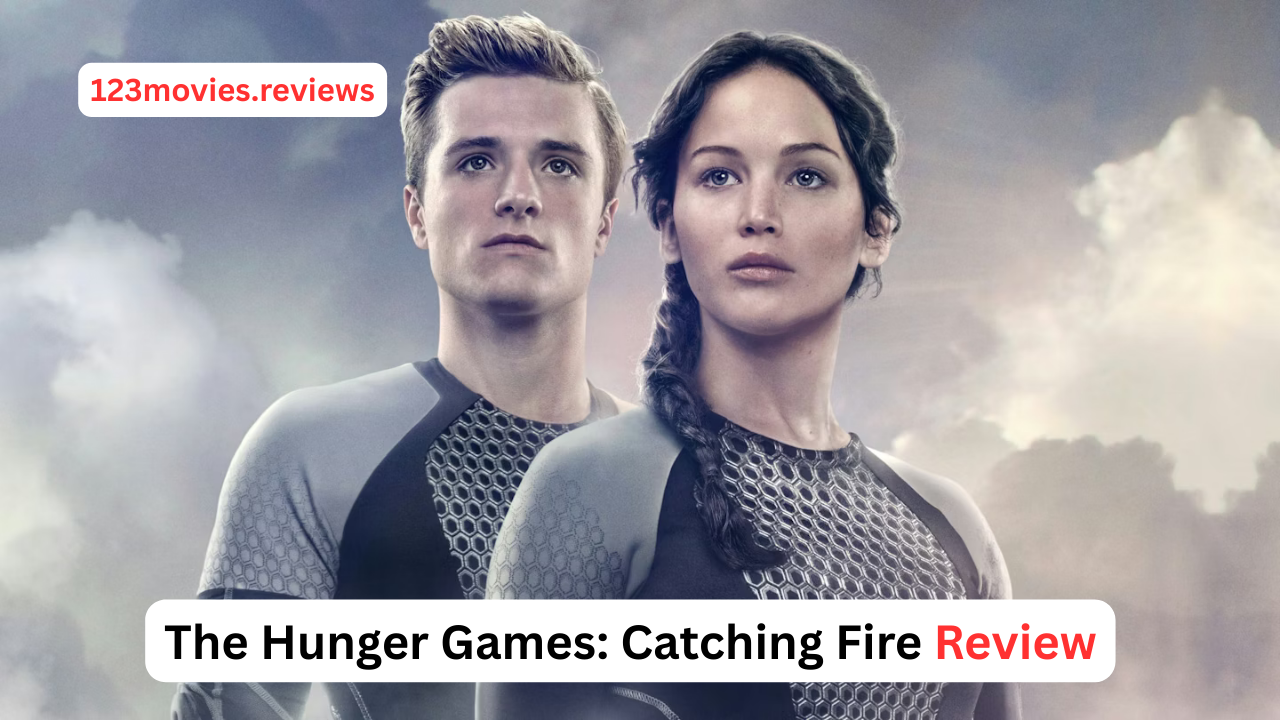
Let’s skip the preamble and get straight to it: Catching Fire is nearly everything a sequel should be. Bigger, sharper, and more confident than its predecessor, it takes a franchise that showed early promise and elevates it into something genuinely special. If the remaining films maintain this trajectory, the Hunger Games series will earn its place alongside the best young adult adaptations ever put to screen.
A Strong Foundation, Built Higher
The first Hunger Games film was a pleasant surprise. Nobody expected much — Lionsgate wasn’t exactly a prestige studio, Jennifer Lawrence was relatively unknown, and the marketing leaned hard into the love triangle. It turned out to be genuinely good, credible enough to justify larger budgets and growing ambitions. Catching Fire inherits that goodwill and runs with it.
From the opening scenes, the tone shifts noticeably. There’s a weight here, a slow-building sense of an oncoming storm, that the first film never quite achieved. Whether that’s down to the source material, Francis Lawrence’s direction, or simply the world feeling uncomfortably relevant, the feeling of revolution brewing beneath every scene is hard to shake. You finish the film wanting the next one immediately.
Direction and Craft
Francis Lawrence steps in for Gary Ross and makes his mark quickly by doing away with the shaky handheld camera work that plagued the first film’s action sequences. The games are coherently and beautifully shot, the arena itself — elegantly designed and easy to follow — is a visual achievement, and the increased budget is visible in every frame without ever feeling excessive. The filmmaking here is purposeful and controlled.
The Cast
The returning cast is as strong as ever. Donald Sutherland is even more quietly menacing as President Snow. Woody Harrelson finds real depth in Haymitch beneath the comic drunkenness. Elizabeth Banks makes Effie someone you should dislike but somehow can’t. Josh Hutcherson continues to justify Peeta as a role worth taking seriously. Lenny Kravitz remains an inspired choice as Cinna.
The newcomers are equally well chosen. Sam Claflin brings exactly the right blend of charm and danger to Finnick Odair — he’ll win over anyone who had doubts about the casting. Jena Malone is magnetic as the fierce, unpredictable Johanna Mason. And Philip Seymour Hoffman, in what should be a relatively functional role, lends Plutarch Heavensbee a quiet authority that adds genuine weight to every scene he’s in.
Then there’s Jennifer Lawrence. Since the first film she’s won an Oscar and become one of Hollywood’s most sought-after actors — and the distance she’s travelled shows. She doesn’t just play Katniss, she inhabits her. The fire the books always described feels completely real here, and by the final act, there’s no question that audiences will follow this character wherever the story leads. It may not be her most technically demanding performance, but it might be her most complete.
Faithful to the Page
Catching Fire is about as close to a page-for-page adaptation as studio filmmaking allows. The key scenes are there, the dialogue rings true, and the tonal shift that makes the second book feel like a step up from the first — from dystopian romance to genuine uprising — translates seamlessly. The film runs close to two and a half hours, which may test patience for casual viewers, but rarely drags for anyone invested in the story. The ending, the series’ most important turning point to this point, is handled with exactly the impact it deserves.
Where It Falls Short
A few things don’t land as well as they should. A scene depicting how Haymitch won his own Hunger Games is absent, and it’s a loss — it would have added texture to one of the film’s most interesting characters. Some plot twists are signposted so heavily that they lose their punch entirely. And the franchise continues to underserve its character deaths, letting significant moments pass without the emotional weight they demand. For a series with increasingly high-stakes losses ahead, this needs to be addressed.
The Verdict
Catching Fire isn’t just a good adaptation — it’s a thrilling, funny, and genuinely stirring piece of blockbuster filmmaking. It takes everything the first film built and improves on almost all of it. The revolution at its centre feels urgent, the performances across the board are excellent, and the ending leaves you exactly where a great sequel should: desperate for what comes next.